A lot of travelers treat San Juan as a layover — the city you fly into before heading to a beach resort, a rainforest, or a bio bay tour. They spend a night in Condado, maybe walk through Old San Juan for an afternoon, and then leave thinking they’ve seen it.
They haven’t.
San Juan is one of the most layered cities in the Caribbean. It has over 500 years of history, a food scene that genuinely rivals major mainland U.S. cities, distinct neighborhoods each with their own personality, public beaches, world-class nightlife, and enough art, music, and culture to fill a week without repeating yourself. And nearly all of it is walkable or a short ride apart.
The problem with most “things to do in San Juan Puerto Rico” lists is that they treat the city as one big destination. It’s not. San Juan is a collection of neighborhoods, and each one offers a completely different experience. Where you spend your time determines what kind of trip you have.
This guide is organized the way the city actually works — neighborhood by neighborhood. So instead of a generic list of 40 attractions, you’ll know exactly what each area offers, what kind of traveler it suits, and how to move between them. Whether you have two days or a full week, this is how to make the most of San Juan.
Things to Do in Old San Juan — History, Culture, and the Caribbean’s Best Walk

Old San Juan is where most travelers start — and for good reason. It’s the most concentrated collection of things to do in San Juan, Puerto Rico, packed into a few square miles of cobblestone streets, colonial buildings, ocean-facing forts, and plazas that have been gathering places for centuries.
The entire district is a UNESCO World Heritage Site and one of the oldest European-founded settlements in the Americas. But it doesn’t feel like a museum. People live here, work here, eat here. The history is the backdrop for everyday life, which is exactly what makes walking through it so different from visiting a preserved historic site.
You could easily spend a full day in Old San Juan without running out of things to see. And you should.
Walk the Forts
El Morro and San Cristóbal are the two iconic Spanish-built forts that define Old San Juan’s skyline. El Morro sits at the tip of the peninsula, six levels of stone ramparts overlooking the Atlantic. The wide grassy field in front fills with families flying kites on weekends — one of the most unexpectedly beautiful scenes in the city.
San Cristóbal, at the eastern entrance to Old San Juan, is the largest fort built by Spain in the Americas. It’s less crowded than El Morro and arguably more interesting to explore — tunnels, dungeons, hidden sentry boxes perched on cliff edges, and panoramic views of the city below.
Entrance is approximately $10 and covers both forts. Allow 1.5 to 2 hours for each. There’s little shade inside, so bring water and sun protection, especially midday.
For a deeper dive into these and other historic places in Puerto Rico, we have a full guide covering the island’s most significant sites.
Wander the Streets Without a Plan
The best way to experience Old San Juan isn’t with a checklist. It’s on foot, with nowhere specific to be.
Walk through San Juan Gate — the last remaining entrance through the original city walls. Follow Paseo de la Princesa along the waterfront to a fountain overlooking the bay. Cut up into the streets and find Plaza de Armas, the main public square, surrounded by government buildings and cafés. Step inside the Catedral de San Juan Bautista, the second-oldest cathedral in the Americas, where Ponce de León is entombed. Pass Casa Blanca, built in 1521 for his family, the oldest continuously inhabited residence in the hemisphere.
Every block in Old San Juan has something worth stopping for — a gallery tucked into a colonial building, a pastel facade catching the light, a view of the ocean through a stone archway. Morning light and golden hour are when the streets look their best. Come early or come late.
Eat and Drink Your Way Through
Old San Juan has the highest concentration of restaurants per block in the city. You can eat traditional criollo at El Jibarito or Raíces, get a world-class cocktail at La Factoria (regularly ranked among the best bars in the Caribbean), drink Puerto Rican coffee at Café Don Ruiz, or find a quiet spot with a wine list and a view.
The dining here ranges from casual to refined, but what makes it special is the density — you can walk from one meal to the next and never need a car or a reservation for most places. For a complete breakdown of what to eat and where across the city, our Puerto Rican food guide covers every dish and neighborhood.
Shop and Browse
Calle Fortaleza and Calle San Francisco are the two main shopping streets. You’ll find local art galleries, Puerto Rican jewelry designers, artisan crafts, coffee shops selling island-grown beans, and souvenir shops that range from generic to genuinely interesting.
The best shopping in Old San Juan isn’t the big-name brands — it’s the small stores run by local artists and craftspeople. Look for handmade santos (carved wooden saints), Puerto Rican art prints, locally produced hot sauces, and rum selections you won’t find at the airport.
Things to Do in Santurce — Food, Art, and Nightlife

If Old San Juan is where you go for history, Santurce is where you go for everything else. It’s San Juan’s most dynamic neighborhood — creative, evolving, a little rough around the edges, and home to the best food and nightlife on the island.
Santurce doesn’t look like a tourist destination. There are no resort towers or manicured plazas. What it has is energy — murals covering entire building facades, restaurants that would hold their own in New York or Mexico City, bars that spill into the street, and a mix of locals and visitors that feels genuinely integrated rather than segregated.
This is where San Juan’s culture is being made right now, not just preserved.
La Placita — The Heart of San Juan’s Night Scene
La Placita de Santurce is a small farmers market by day and an open-air street party by night. Bars and restaurants surround the market square, music plays from every direction, and the crowd — mostly local, increasingly mixed with travelers who know where to go — fills the streets with an energy you won’t find anywhere else in the city.
Thursday and Saturday nights are the peak. But any evening at La Placita has something happening. It’s the most authentic nightlife experience in San Juan — not manufactured for tourists, not velvet-roped, just a neighborhood that comes alive after dark.
The Restaurant Scene
Santurce has the highest concentration of serious restaurants in Puerto Rico. Santaella serves modern Puerto Rican cuisine with technical precision. Vianda pushes creative boundaries with seasonal menus. Lote 23 is an open-air food park with rotating vendors. And new spots open regularly — the scene is alive and competitive.
But Santurce isn’t just about fine dining. The neighborhood is full of small fondas, taco joints, bakeries, and late-night food windows. You can eat extremely well here at every price point. For travelers who care about food, Santurce alone justifies spending multiple evenings in San Juan.
Street Art and Galleries
Santurce has a muralism culture that’s become one of its defining visual features. Large-scale street art covers buildings throughout the neighborhood, especially between Calle Cerra and Calle Loíza — a stretch worth walking slowly with a camera.
The Museo de Arte Contemporáneo (MAC) hosts rotating contemporary exhibitions and is a good anchor for an art-focused afternoon. Smaller galleries dot the side streets, many run by local artists. And the intersection of street art and restaurant culture means that even a casual dinner walk turns into an impromptu gallery visit.
Things to Do in Condado — Beach, Shopping, and Convenience
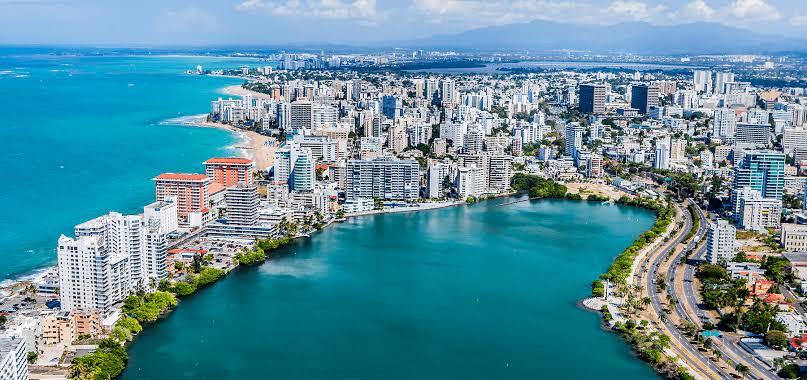
Condado is the neighborhood most visitors picture when they think of San Juan. It’s the hotel strip — high-rise resorts, beachfront restaurants, boutique shopping on Ashford Avenue, and a polished, walkable atmosphere that makes it easy to settle into.
It’s also the most expensive neighborhood in the city. But what you get for the premium is convenience. Everything is within walking distance, the beach is solid, and you’re centrally located between Old San Juan (10 minutes west) and Isla Verde (10 minutes east). For travelers who want a comfortable base without needing to think too hard about logistics, Condado delivers.
Condado Beach
A wide, urban beach with lifeguards, calm-enough water for swimming most of the year, and restaurants within a short walk in every direction. On weekends it fills with a mix of hotel guests, local families, and people from surrounding neighborhoods. During the week, it’s noticeably quieter.
It’s not the most pristine beach on the island — Luquillo, Flamenco, and Isla Verde all surpass it in beauty. But as an “I want to be on the beach in 5 minutes” option, it’s hard to beat if you’re staying nearby.
Ashford Avenue
The main commercial strip of Condado. Restaurants, bars, boutiques, pharmacies, coffee shops, and the social pulse of the neighborhood all live along Ashford. It’s more polished and tourist-oriented than Santurce, but convenient for an evening out without needing transportation.
Laguna del Condado
The lagoon separating Condado from Miramar is one of the most underused spots in San Juan. You can kayak or paddleboard on the water, jog or walk the perimeter path, or just sit on the Miramar side and watch the Condado skyline at sunset.
It’s a quick morning activity before the beach, or a peaceful late-afternoon option when the ocean-side gets windy. Rental equipment is available at several points along the shore.
Things to Do in Isla Verde — The Best Beach in Metro San Juan

Isla Verde sits just east of Condado, technically in the municipality of Carolina but functionally part of the San Juan experience. If you care about beach quality above everything else, this is where you want to be.
A Better Beach, Fewer Crowds
Isla Verde Beach is wider, less crowded, and more visually stunning than Condado Beach. The sand is finer, the water is cleaner, and the eastern stretch near Pine Grove feels noticeably more relaxed.
Restaurants and bars line the beachfront, so you can move between sand and food without getting in a car. Beach vendors rent chairs and umbrellas if you don’t bring your own. And because Isla Verde is slightly outside the main tourist circuit, the crowd is more balanced between locals and visitors.
For the full neighborhood breakdown — where to eat, what to do, where to stay, and how the area compares to Condado — our guide to Isla Verde, Puerto Rico covers everything.
Piñones — A 10-Minute Detour You Shouldn’t Skip
Just past the eastern edge of Isla Verde, the road opens into Piñones — a coastal strip lined with family-run food kiosks serving some of the best street food near San Juan. Alcapurrias de jueyes, bacalaítos, empanadillas de camarones, coco frío — all cooked fresh in front of you at prices that make restaurant dining feel overpriced.
Go on a weekend for the best atmosphere and the freshest fryers. Piñones is one of the most authentic food experiences you can have this close to the city, and it connects naturally to a beach day in Isla Verde. If you’re building a budget-friendly itinerary, this is one of the best value stops on the island.
Things to Do in Ocean Park and Miramar — The Quiet Side of San Juan

Between Condado’s hotel strip and Isla Verde’s beach, two residential neighborhoods offer something most visitors don’t expect from San Juan: quiet.
Ocean Park
Ocean Park has one of the most beautiful beaches in the metro area — wide, less developed, and popular with kite surfers when the wind picks up. The vibe is mellower than Condado, the accommodation skews toward small guesthouses and vacation rentals rather than big hotels, and the streets feel residential in a way that gives you a window into daily San Juan life.
Calle Loíza, which runs through the border between Ocean Park and Santurce, has become one of the city’s most interesting food streets — a growing lineup of restaurants, cafés, and bars that are worth the walk.
Miramar
Miramar is residential, walkable, and sits along the western side of the Condado Lagoon. It doesn’t have a beach or a nightlife scene, but it has Casita Miramar — one of the best restaurants in San Juan — and a neighborhood atmosphere that makes you feel like you live here rather than visit.
For travelers who want a quiet base close to everything but away from the tourist density, Miramar is an underrated choice. You’re a 5-minute ride from Old San Juan, walking distance to Santurce, and across the lagoon from Condado. All the things to do in San Juan Puerto Rico are accessible — but your home base feels like a real neighborhood.
Day Trips From San Juan Worth Taking

San Juan is the natural base for most Puerto Rico trips, and several of the island’s best experiences are an easy drive away. These are the day trips that deliver consistently.
El Yunque Rainforest
About 45 minutes east of San Juan, El Yunque is the only tropical rainforest in the U.S. National Forest System. Trails range from short paved walks to longer jungle hikes, all leading to waterfalls, swimming holes, and mountain views that make the drive feel like entering another world.
Go early in the morning to avoid crowds and afternoon rain. Bring water, a rain jacket, and shoes with grip. The experience is free beyond a small parking fee.
Bioluminescent Bay (Fajardo)
One of the most unique natural experiences in the Caribbean. Nighttime kayak tours through water that glows electric blue when you disturb it — caused by bioluminescent microorganisms that light up on contact.
The Laguna Grande in Fajardo is the closest bio bay to San Juan (about an hour east). Tours book out fast, especially in peak season, so reserve well in advance.
Guavate — The Pork Highway
A 45-minute drive south into the mountains of Cayey leads to Guavate — a stretch of road lined with lechoneras serving whole roasted pig, morcilla, arroz con gandules, and cold Medalla. Weekends are when it comes alive: live music, families eating together, the smell of smoke and roasting pork everywhere.
This is one of the most authentically Puerto Rican food experiences on the island. Our food guide has the full rundown on what to order.
Luquillo Beach and Kiosks
About an hour east, Luquillo offers one of the most reliable beach days near San Juan — beautiful crescent beach with calm water, plus a strip of 60+ food kiosks right behind the sand. Seafood, mofongo, pinchos, tropical drinks — all at reasonable prices.
It’s a natural pairing with El Yunque (15 minutes away) for a full day trip: morning hike, afternoon beach, kiosk dinner.
Practical San Juan Travel Tips
A few things that will make your time in the city smoother and more enjoyable.
You Don’t Need a Car in San Juan
Old San Juan, Condado, Santurce, Ocean Park, Isla Verde — all walkable or a short Uber ride apart. Parking in these neighborhoods is often difficult and expensive. Unless you’re doing day trips outside the metro area, skip the car and save the money.
If you are planning to explore beyond San Juan — El Yunque, Guavate, the west coast — then a rental car makes sense for those specific days.
Where You Stay Sets the Tone
San Juan’s neighborhoods aren’t interchangeable. Where you base yourself determines the vibe of your entire trip.
Old San Juan is history and charm — best for culture-focused travelers and first-time visitors. Condado is beach and convenience — best for travelers who want everything walkable and polished. Santurce is food and nightlife — best for travelers who care about restaurants, bars, and local energy. Ocean Park is quiet and local — best for travelers who want a mellower pace with beach access. Isla Verde is beach-first — best for travelers whose top priority is sand and water quality.
Choose based on what matters most to you, not just what’s cheapest or most popular.
Evenings Are When San Juan Comes Alive
Don’t overplan your days at the expense of your nights. San Juan’s nightlife isn’t just clubs — it’s La Placita spilling into the street, a cocktail at La Factoria in a candlelit room, live salsa at a bar in Santurce, a rooftop drink in Condado watching the city light up.
Save energy for the evenings. Some of the best things to do in San Juan Puerto Rico happen after dark.
Weather Is Rarely a Problem
Even during rainy season (roughly May through November), San Juan rain is usually short afternoon bursts followed by clear skies. It rarely cancels a full day.
The default San Juan rhythm — morning beach, afternoon rain, evening out — works perfectly and naturally. And if you do get a full rainy day, the city has plenty of indoor options that are genuinely worth your time.
Know When to Visit
Peak season (December through April) means the best weather and the highest prices. Shoulder season (April through June) offers nearly the same weather with fewer crowds and lower costs — it’s often the sweet spot.
For a detailed seasonal breakdown, our guide on when to visit Puerto Rico covers what to expect month by month.
San Juan Is the Trip — Not Just the Layover
A lot of travelers pass through San Juan on their way to somewhere else. They treat it as a transit point — one night, a quick walk through the old city, and then off to a beach town or a resort.
That works. But it misses what San Juan actually is: a city with enough depth to anchor an entire trip. Five centuries of history you can walk through. A food scene that ranges from $3 street fritters to world-class tasting menus. Neighborhoods with distinct personalities separated by 10-minute walks. Nightlife that’s real and accessible. Beaches that don’t require a day trip to reach.
You could spend a full week in San Juan, eat somewhere different every meal, explore a new neighborhood every day, and still leave with places on your list for next time.
Staying in a vacation rental in one of San Juan’s neighborhoods — Santurce, Ocean Park, Condado, Isla Verde, Miramar — puts you inside the city’s rhythm instead of watching it through a hotel window. You walk to the same café every morning. You learn which streets are quiet and which ones come alive at night. You stop feeling like a visitor and start feeling like you belong here.
That’s the kind of stay Houzze PR is built around. Properties in real neighborhoods, managed with the same warmth the island is known for, in a city that has far more to offer than most travelers expect.